
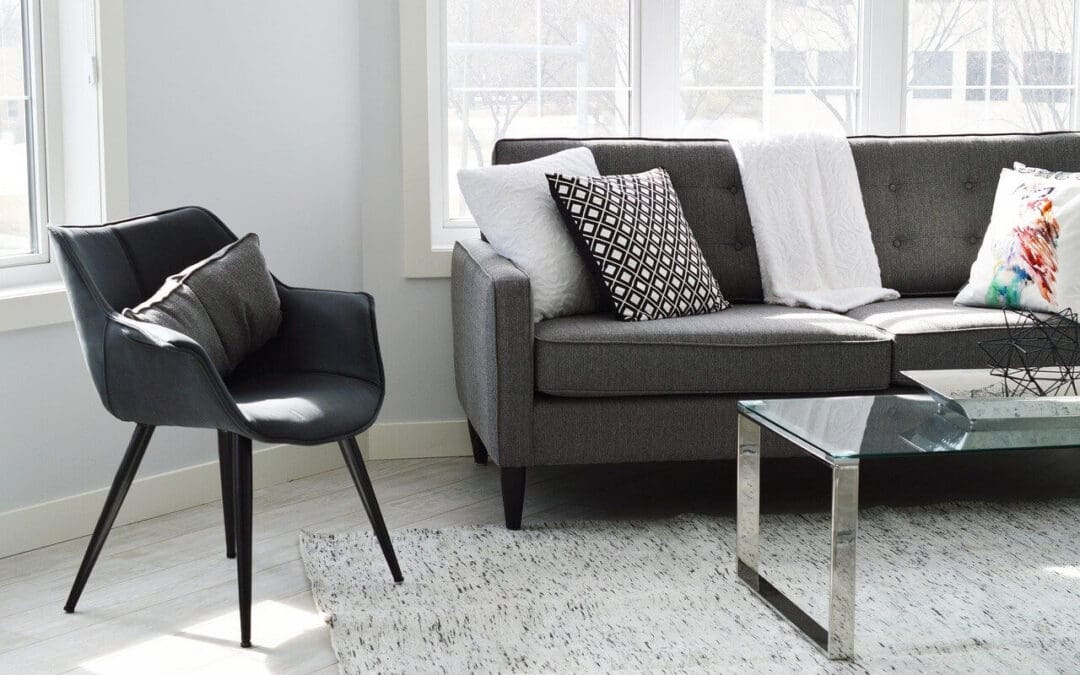
Homes are evolving faster than ever. New technologies, design trends, and energy-efficient solutions make it easier for homeowners to create spaces that are comfortable, stylish, and functional. For many people, the decision to modernize their home is about improving everyday living. Modern updates can increase property value, reduce energy costs, and make spaces more adaptable for changing lifestyles. Whether it’s installing smart lighting, upgrading appliances, or rethinking interior layouts, small changes could make a big difference. Modern homes focus on convenience, sustainability, and simplicity, making everyday tasks easier and more enjoyable.
Integrating Smart Technology to Modernize Your Home
One of the most impactful ways to modernize your home is by integrating smart technology. Smart home devices allow homeowners to control lighting, temperature, security systems, and even appliances through mobile apps or voice assistants. Smart thermostats help maintain comfortable temperatures while lowering energy consumption. Automated lighting systems allow rooms to adjust brightness depending on the time of day. Video doorbells and smart locks provide an extra layer of security while adding convenience. These technologies are designed to simplify daily routines. Instead of manually adjusting systems throughout the house, everything can be managed from a smartphone or through scheduled automation. Over time, these small efficiencies will improve comfort and even reduce utility bills.
Design Trends That Help Modernize Your Home
Modern design focuses on simplicity, clean lines, and open spaces. Many homeowners are choosing layouts that feel brighter and more connected. Removing unnecessary walls, adding larger windows, and using neutral color palettes are popular ways to create a contemporary atmosphere. Materials also play a major role in modern home design. Natural wood accents, stone finishes, and matte metal fixtures are widely used to create a balance between warmth and sophistication. Minimalist décor allows rooms to feel uncluttered while still maintaining personality. Furniture and décor choices also influence how modern a space feels. Sleek lighting fixtures, functional storage solutions, and multi-purpose furniture pieces can transform ordinary rooms into stylish and practical living spaces.
Energy-Efficient Ways to Modernize Your Home
Energy efficiency is one of the most important factors in modern home improvement. When homeowners modernize their homes with energy-saving upgrades, they often see long-term financial benefits along with environmental advantages. Energy-efficient windows, improved insulation, and modern HVAC systems could dramatically reduce heating and cooling costs. LED lighting is another simple upgrade that uses far less electricity while lasting significantly longer than traditional bulbs. Solar panels are becoming increasingly popular as well. While the initial investment may be higher, solar energy systems often pay for themselves over time through lower energy bills. These upgrades not only make homes more efficient but also increase overall property value.
Budget-Friendly Projects
Modernizing a home does not always require a full renovation. Many budget-friendly improvements can have a significant visual and functional impact. Refreshing wall colors with neutral tones will instantly make rooms feel brighter and more contemporary. Updating cabinet hardware, installing modern light fixtures, and replacing outdated faucets dramatically change the look of kitchens and bathrooms. Another simple project is upgrading flooring. Materials like vinyl plank flooring or engineered wood offer modern aesthetics while remaining durable and affordable. Even small improvements like improved storage solutions or reorganized spaces will make a home feel more modern and efficient. Homeowners often find that focusing on one room at a time helps keep projects manageable and cost-effective while still delivering noticeable improvements.
Planning the Right Strategy
Successful home modernization usually begins with a clear plan. Before starting upgrades, it helps to identify which areas of the home would benefit most from improvement. Kitchens, bathrooms, and living spaces often provide the greatest return on investment. Budget planning is also important. Prioritizing upgrades based on necessity, long-term value, and lifestyle needs can prevent overspending. Consulting professionals such as designers, contractors, or energy specialists will help homeowners make informed decisions. Modernization works best when functionality and style are balanced. The goal is not simply to follow trends, but to create a home that remains comfortable, efficient, and attractive for years to come.
Frequently Asked Questions (FAQs)
What does it mean to modernize your home?
To modernize your home means upgrading features, technology, design, and efficiency to align with contemporary lifestyles. This can include installing smart devices, improving energy efficiency, updating interiors, or redesigning layouts for better functionality.
Is it expensive to modernize a home?
Modernizing a home varies widely in cost depending on the scope of improvements. Small upgrades like lighting changes, painting, and new fixtures can be relatively affordable, while larger renovations such as kitchen remodels or smart home systems require a larger budget.
Which rooms should be modernized first?
Kitchens, bathrooms, and living rooms are often prioritized because they are frequently used and will significantly influence a home’s overall value and comfort.
How long does it take to modernize your home?
The timeline depends on the size and complexity of the project. Smaller updates can be completed within days or weeks, while major renovations may take several months.
Rhode Island Real Estate Inspection Services provides home inspections to customers in Rhode Island. Contact us to request our services.