
Most homeowners think about insulation only when a heating or cooling bill arrives that seems too high, or when a home inspector flags the attic as deficient. The reality is that inadequate attic insulation affects energy costs, comfort, HVAC system load, and in cold climates, roof performance. Understanding what insulation does, what type and how much a home needs, and what the warning signs of a deficient attic look like is the knowledge that turns a vague intention into a specific, high-return improvement.
What Attic Insulation Actually Does and Why It Matters
The role of attic insulation is thermal resistance. In summer, inadequate insulation allows that heat to radiate downward, increasing cooling loads and making the home uncomfortable regardless of HVAC capacity. In winter, heat rises through the ceiling and escapes through an under-insulated attic, requiring the system to run longer to maintain temperature. Thermal resistance is measured in R-value; the higher the R-value, the more resistance to heat transfer. The Department of Energy recommends R-38 to R-60 for attics in most U.S. climate zones. Many existing homes, particularly those built before the 1980s, have attic insulation levels well below current recommendations.
Beyond energy performance, insulation plays a role in moisture management. An attic with inadequate insulation creates conditions where warm, moist air from the living space condenses on cold attic surfaces in winter. Addressing insulation alongside proper air sealing reduces both the moisture-laden air entering the attic and the condensation conditions that produce mold.
The Types of Insulation and What Each Offers
The two most common residential attic insulation materials are blown-in loose-fill and batt insulation, each with specific advantages depending on the attic’s configuration and existing conditions. Blown-in insulation, either fiberglass or cellulose, is the most practical choice for most attic situations. It’s installed by blowing loose material through a hose, conforming to irregular shapes, filling around obstructions, and adding in layers on top of existing insulation. Cellulose has a slightly higher R-value per inch than fiberglass loose-fill; fiberglass blown-in is moisture-resistant and doesn’t settle as much over time.
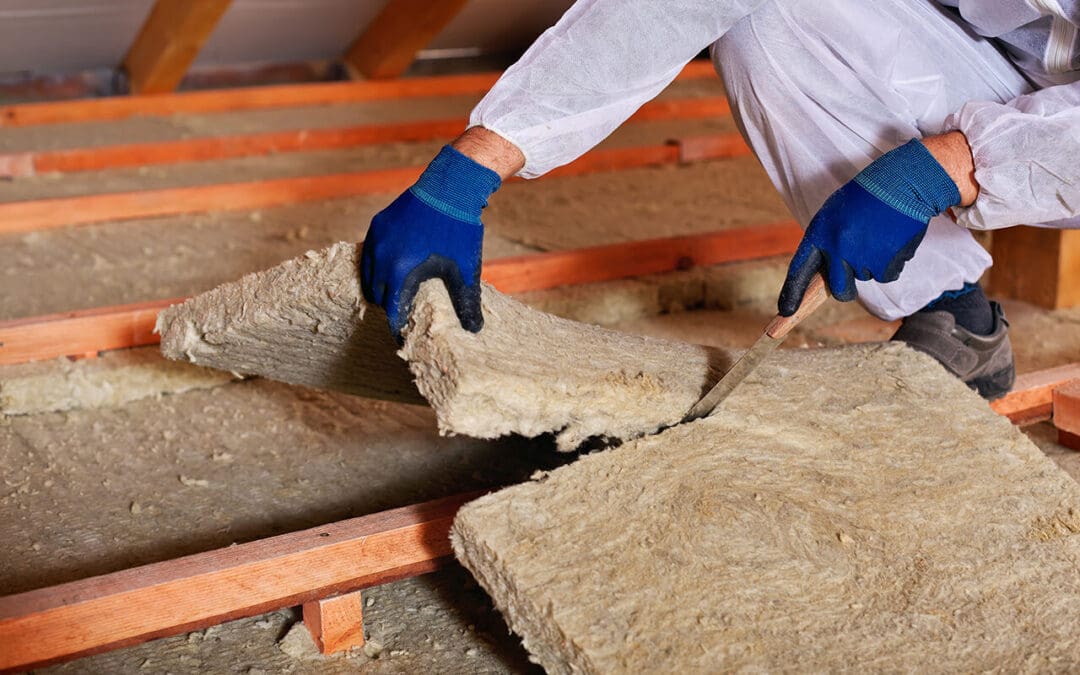
Batt insulation is appropriate for attics with regular joist spacing and clear access. It installs quickly in new construction but is harder to retrofit because batts don’t conform to obstructions, and gaps around wiring and framing reduce the effective R-value significantly below the rated value. Spray foam is the premium insulation option applied where both insulation and air sealing are the goal, typically on the underside of the roof deck in an unvented attic assembly. It’s significantly more expensive but creates a conditioned attic space that accommodates HVAC equipment and ductwork more efficiently.
The Signs Your Attic Insulation Needs Attention
Energy bills higher than comparable neighboring homes, top-floor rooms significantly warmer in summer or cooler in winter, ice dams forming at eaves in winter, and HVAC systems running almost continuously without reaching set temperature are all performance indicators of attic insulation deficiency. In cold climates, a roofline showing uneven snow melt, bare patches over the living space, and snow retention at the eaves is a visible sign that heat is escaping rather than being retained. A visual check from the attic hatch provides a quick baseline: if the floor joists are visible above the insulation surface, the attic is almost certainly below recommended R-value.
Frequently Asked Questions (FAQs)
How much does it cost to add attic insulation?
Adding blown-in insulation to current recommended R-value ranges from $1,500 to $4,000 for a typical home depending on attic size, existing insulation level, and local labor rates. Energy savings typically produce a payback period of two to five years. Many utilities offer rebates for insulation upgrades that reduce upfront cost.
Should I remove old insulation before adding new?
In most cases, adding new blown-in insulation on top of existing material is appropriate. Removal is warranted when existing insulation has been wet, is contaminated with rodent activity or mold, contains vermiculite (which may contain asbestos), or has compressed below useful R-value. An insulation contractor can assess existing conditions during an estimate visit.
Does insulation need to be combined with air sealing to be effective?
Air sealing should precede insulation installation for the best results. Gaps around light fixtures, plumbing penetrations, and the attic hatch allow warm air to bypass insulation entirely and enter the attic, carrying moisture with it. Sealing these pathways before adding insulation addresses both energy loss and moisture entry.
Is adding attic insulation a DIY project or does it require a professional?
Adding blown-in insulation is within DIY capability. The challenges are maintaining consistent depth, avoiding coverage of soffit vents, and working safely in a hot, tight space. Professional installation is more consistent, faster, and often includes air sealing. For significant additions or difficult access conditions, professional installation is the more reliable approach.
Can insulation affect indoor air quality?
Properly installed insulation doesn’t directly affect indoor air quality. However, insulation that is wet, moldy, or contaminated can introduce odors and particulates into the living space through air pathways that inadequate air sealing allows.
Rhode Island Real Estate Inspection Services provides home inspections to customers in Rhode Island. Contact us to request our services.