
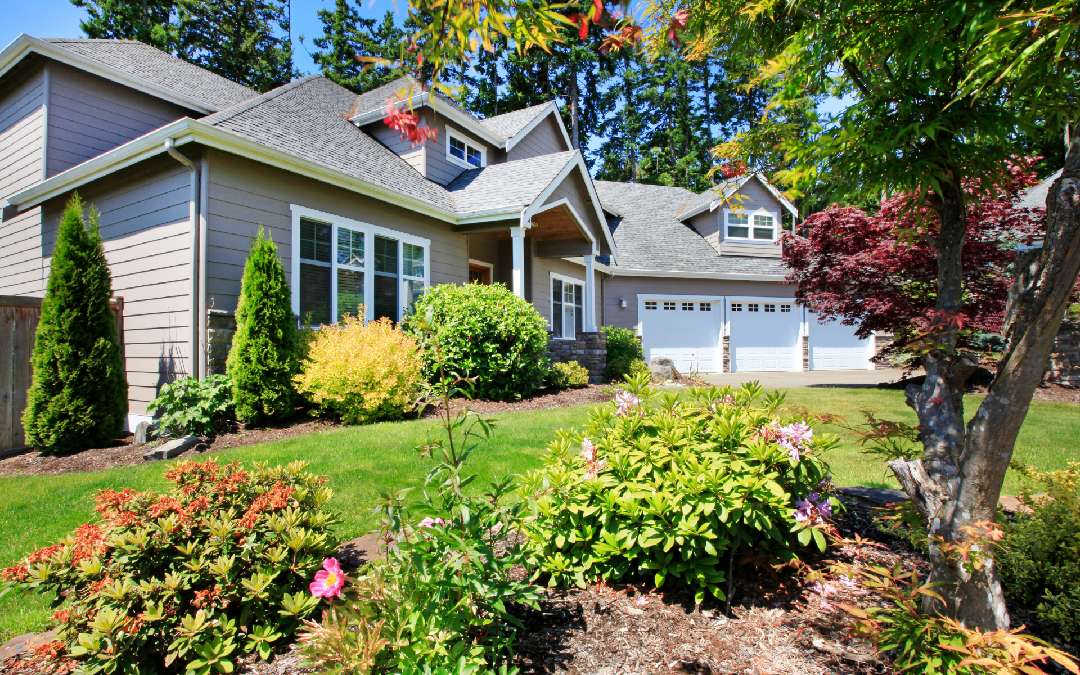
As more homeowners become aware of the environmental impact of their daily choices, eco-friendly home improvements are rising in popularity. Making your home more energy-efficient, sustainable, and eco-conscious not only helps the planet but also improves quality of life, reduces utility bills, and can meaningfully increase property value. The best part is that many of these changes are more accessible and affordable than most people expect, and the long-term benefits far outweigh the upfront investment.
The Benefits of Eco-Friendly Home Improvements
The advantages of going green at home extend well beyond environmental responsibility. Energy-efficient upgrades reduce monthly utility costs, sometimes significantly. Sustainable materials and non-toxic products improve indoor air quality, creating a healthier environment for everyone in the household. And in today’s real estate market, eco-conscious features are increasingly desirable to buyers, making these improvements a smart financial decision as well as an ethical one. Whether your motivation is saving money, protecting your family’s health, or reducing your carbon footprint, eco-friendly home improvements deliver on all fronts.
Energy-Efficient Eco-Friendly Home Improvements to Start With
Energy efficiency is one of the most impactful areas to focus on. Upgrading insulation, sealing gaps around windows and doors, and installing energy-efficient windows reduce heat loss in winter and keep the home cooler in summer, cutting heating and cooling costs year-round. Replacing older appliances with Energy Star-rated models is another high-return upgrade, modern refrigerators, washing machines, and dishwashers use a fraction of the energy their predecessors consumed without any sacrifice in performance.
A programmable or smart thermostat is a low-cost addition that delivers consistent savings by ensuring energy is used only when and where it’s needed. For homeowners ready to make a larger commitment, solar panels are one of the most transformative eco-friendly home improvements available, reducing reliance on the grid, lowering energy bills substantially, and often qualifying for tax incentives and rebates that offset installation costs over time.
Sustainable Materials for Eco-Friendly Home Improvements
When undertaking renovation projects, the materials you choose matter as much as the work itself. Sustainable options like bamboo flooring, reclaimed wood, and recycled metal reduce the environmental footprint of any project considerably. Bamboo is one of the fastest-renewing natural resources available, while reclaimed wood adds character and history to floors, cabinetry, and furniture that new materials simply can’t replicate.
For exterior renovations, fiber-cement siding and reclaimed brick are durable, low-maintenance, and far more environmentally responsible than conventional vinyl or aluminum alternatives. Inside the home, switching to non-toxic, low-VOC paints and water-based finishes reduces indoor air pollution significantly.
Water Conservation and Outdoor Improvements
Water conservation is an often-overlooked component of eco-friendly home improvements, yet the impact is meaningful. Installing low-flow faucets, showerheads, and toilets reduces household water consumption without any noticeable change in daily comfort or performance. In the yard, water-efficient irrigation systems maintain healthy landscaping while minimizing waste considerably.
Eco-friendly landscaping choices amplify these savings further. Native plants adapted to your local climate require less water, less fertilizer, and far less maintenance than traditional lawn and garden plants. Xeriscaping is an increasingly popular approach that creates a beautiful, functional outdoor space with minimal resource requirements. Rainwater harvesting systems take conservation a step further by collecting and storing runoff for irrigation and other non-potable uses, reducing reliance on municipal water supplies in a meaningful way.
Healthier Living Indoors
Switching to eco-friendly cleaning products is one of the simplest and most immediately impactful indoor improvements a homeowner can make. Conventional cleaners often contain harsh chemicals that irritate the skin, eyes, and respiratory system, and their residues linger on surfaces and in the air long after cleaning is done. Natural alternatives made from vinegar, baking soda, castile soap, and essential oils clean effectively without introducing harmful compounds into the home environment.
Replacing disposable paper towels with reusable cleaning cloths reduces waste and ongoing costs simultaneously. Small changes like these, compounded over time, add up to a meaningfully lower carbon footprint and a genuinely healthier home for everyone inside it.
Eco-friendly home improvements don’t require a complete overhaul to make a real difference. By focusing on energy efficiency, sustainable materials, water conservation, and healthier product choices one step at a time, any homeowner can create a more responsible, comfortable, and valuable home for years to come.
Frequently Asked Questions (FAQs)
What are the easiest eco-friendly home improvements to start with?
Switching to LED lighting, adding a programmable thermostat, sealing drafts around windows and doors, and replacing conventional cleaning products with natural alternatives are all low-cost, high-impact starting points.
How much can I save with eco-friendly home improvements?
Savings vary by project, but energy-efficient upgrades consistently deliver measurable reductions in monthly utility bills. Solar panels, improved insulation, and Energy Star appliances are among the highest-return improvements.
Do eco-friendly home improvements increase property value?
Yes. Sustainable features are increasingly sought after by buyers, particularly energy-efficient systems and solar installations. Homes with documented eco-friendly upgrades tend to sell faster and at stronger prices than comparable properties without them.
What sustainable materials work best for home renovations?
Bamboo, reclaimed wood, recycled metal, and fiber-cement are all excellent choices depending on the project.
How can I reduce water consumption at home?
Low-flow faucets, showerheads, and toilets make an immediate difference with no lifestyle adjustment required. Pairing these with a smart irrigation system, native landscaping, and a rainwater harvesting setup creates a comprehensive water conservation strategy.
Rhode Island Real Estate Inspection Services provides home inspections to customers in Rhode Island. Contact us to request our services.