
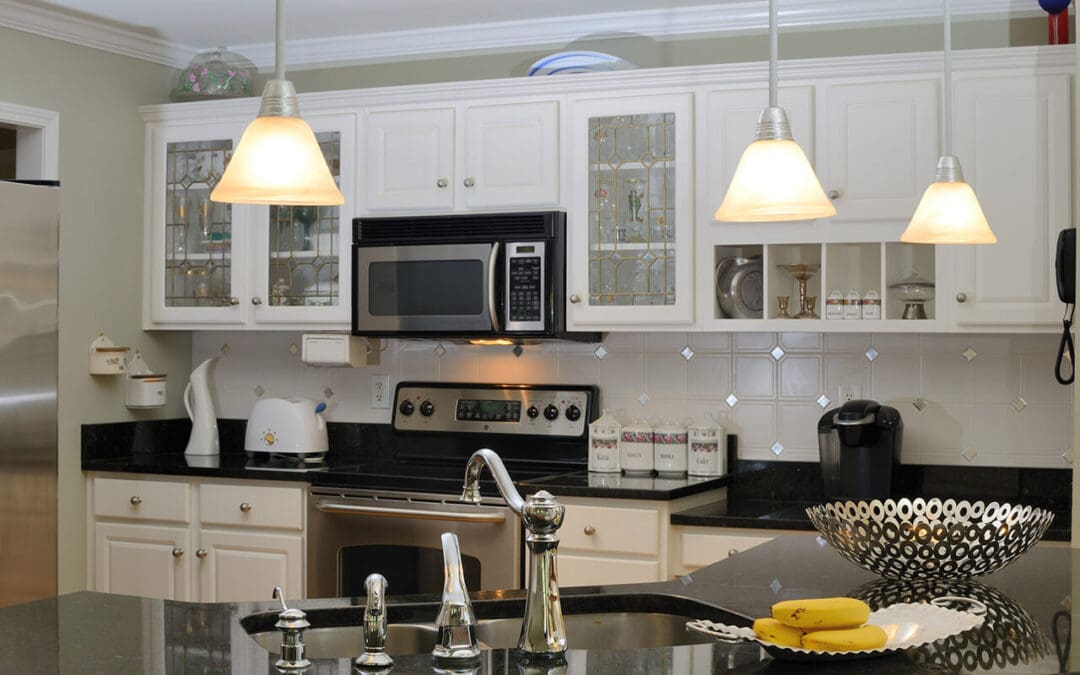
Lighting upgrades are among the highest-return home improvements available because lighting is the single element most responsible for how a home feels at every hour of the day. Most homes are significantly underlit, relying on a single ceiling fixture in each room that produces flat, unflattering illumination that makes even well-furnished, well-designed spaces feel institutional. The right lighting upgrades change its atmosphere, make colors read more accurately, and create the kind of layered, intentional light that distinguishes a home that feels designed from one that simply feels finished.
Why Lighting Upgrades Make Such a Noticeable Difference
The reason lighting upgrades produce such immediate results is that most homes were wired with minimal lighting infrastructure and have never been meaningfully updated since. The result is rooms lit by one source at one height, producing flat illumination with no depth or warmth. Good lighting comes from multiple sources at multiple heights: ambient light from above, task light for specific functions, and accent light to create visual interest. Unlike structural changes or flooring replacements, lighting can be made incrementally, tested, and adjusted. A lamp added to a corner, a dimmer on an existing switch, a pendant swapped for a ceiling fan each is a standalone upgrade that contributes to the layered lighting a room needs without requiring a large investment or irreversible commitment.
Starting Point for Lighting Upgrades
Replacing outdated fixtures is the lighting upgrade with the most immediate visual impact and one of the most straightforward DIY projects available. Dated fixtures signal the aesthetic era of the home rather than the current occupants’ taste. In kitchens, replacing a single overhead fixture with a pendant installation changes the room’s perceived quality significantly. In dining rooms, a chandelier hung with the bottom approximately 30 to 36 inches above the tabletop anchors the space and creates the focused, intimate lighting that makes the room feel distinct from the rest of the house. In bathrooms, replacing a horizontal vanity bar with fixtures flanking the mirror eliminates the unflattering shadows that overhead-only bathroom lighting creates. Dimmer switches are the lowest-cost lighting upgrade with the broadest daily impact. Virtually every overhead fixture benefits from dimmer control, converting a single-intensity source into a flexible tool that sets different moods throughout the day. Dimmers deliver one of the best returns of any lighting upgrade available.
Smart and Layered Lighting for Modern Homes
Smart lighting have moved from novelty to genuine utility, and the options available to homeowners now cover every budget and every level of technical involvement. Smart bulbs are the entry point for smart lighting upgrades. They screw into existing fixtures, require no new wiring, and allow control of brightness and color temperature from a smartphone or voice assistant. The ability to schedule lights, set scenes for different activities, and adjust color temperature throughout the day represents a meaningful improvement in both comfort and energy management without touching a switch plate. Beyond smart bulbs, the layered lighting framework produces the most lasting improvement in a room’s overall feel. Under-cabinet lighting in the kitchen illuminates the work surface while adding visual depth. Accent lighting creates the dimension that makes a room feel professionally designed. Floor and table lamps in corners and at seating areas provide the lower-level light that relaxes a room’s atmosphere in the evening, eliminating the harsh overhead-only quality that makes many homes feel bright but uncomfortable after dark.
Frequently Asked Questions (FAQs)
Where should I start with lighting upgrades in my home?
Start with the room where lighting most affects your daily experience, typically the kitchen, living room, or primary bathroom. In each, the highest-impact first upgrade is usually a dimmer switch on the existing overhead fixture followed by adding at least one supplemental light source at a lower level.
How much do lighting upgrades typically cost?
Lighting upgrades span an enormous range from a $15 dimmer switch to a $500+ chandelier. The most impactful and cost-effective upgrades for most homeowners are dimmer switches ($15 to $40), new fixtures ($50 to $300), smart bulbs ($10 to $25 each), and floor or table lamps ($50 to $200).
Do lighting upgrades require an electrician?
Many are DIY-accessible; replacing a fixture with an identical mount type, installing a dimmer, adding lamps, and swapping in smart bulbs require no electrical expertise. Lighting upgrades that require an electrician include adding new circuits, installing recessed lighting where none existed, and running wire to new fixture locations. For fixture replacements on existing boxes, a homeowner comfortable with basic electrical safety can complete most replacements in under an hour.
What color temperature should I choose for home lighting?
For most residential living spaces, 2700K to 3000K produces the warm, inviting quality that makes a home feel comfortable. Kitchen and bathroom task lighting benefits from slightly cooler 3000K to 3500K for accuracy. Home offices often benefit from 4000K for alertness. Mixing significantly different color temperatures in adjacent spaces creates inconsistency; choosing a consistent range for connected areas makes a meaningful difference in how cohesive the overall lighting feels.
How do lighting upgrades affect home value and buyer perception?
Lighting upgrades consistently rate highly in buyer perception because lighting affects how every other feature reads. A home with warm, layered lighting photographs better, shows better, and creates a more favorable first impression than one with flat or inadequate illumination. Updated fixtures signal a well-maintained and thoughtfully updated home.
Rhode Island Real Estate Inspection Services provides home inspections to customers in Rhode Island. Contact us to request our services.