
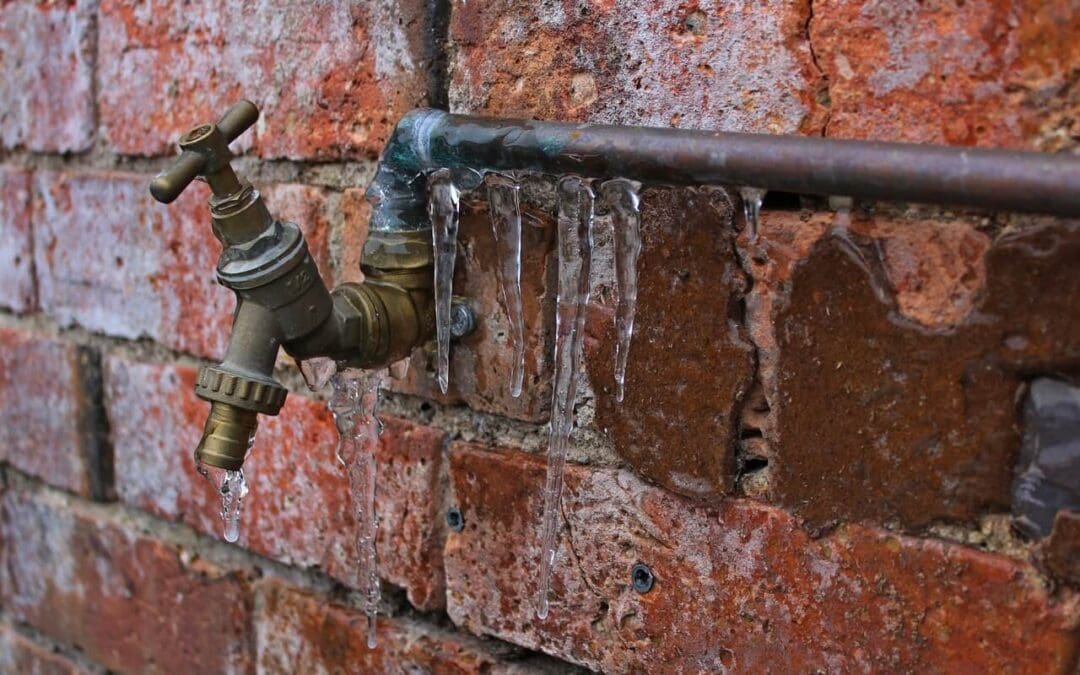
A summer cottage or coastal getaway that sits empty through the winter faces risks a lived-in home doesn’t: frozen pipes, unnoticed leaks, pests moving in, and storm damage nobody finds until spring. In Rhode Island, where winters bring freezing temperatures and powerful coastal storms, closing a seasonal property carefully pays off. Learning how to winterize your vacation home takes a systematic approach and a few hours of work, and it’s the best insurance against an unpleasant surprise in May. Here’s what to do.
How to Winterize Your Vacation Home Plumbing
Water is the biggest risk, because a single burst pipe in an empty house can flood a property for weeks. Shut off the main water supply, then open every faucet, both hot and cold, to drain the lines, and flush toilets to empty the tanks. Turn off power or gas to the water heater before draining it. Pour non-toxic plumbing antifreeze into drain traps, toilet bowls, and tanks so the remaining water doesn’t freeze and crack fixtures. Shut off and drain outdoor spigots and irrigation lines. For homes with complicated plumbing, a wellhead pump, or radiant heat, hire a plumber to blow out the lines with compressed air. Take a photo of the water heater and main shutoff positions so you remember how to restart everything in spring, and if the home has a septic or sump system, ask a professional how to prepare it for the months ahead.
Secure the Interior Against Pests and Moisture
Another key step when you winterize your vacation home is making it unappealing to mice, insects, and mold. Remove all food, including pantry items, and clean the refrigerator, then unplug it and prop the door open. Take out the trash and seal gaps around pipes and vents with caulk or steel wool. Close the fireplace damper, cover chimney openings, and set traps as an early warning. Unplug electronics and small appliances, and cover furniture with breathable sheets rather than plastic, which traps moisture. A moisture absorber in closets and bathrooms helps keep mildew away. Remove liquids that could freeze and burst, such as canned drinks and cleaning products, and prop open the cabinet doors under sinks so any residual warmth reaches the pipes.
Protect the Exterior When You Winterize Your Vacation Home
Coastal weather is hard on an unattended property. Bring in or tie down patio furniture, grills, and decorations that could become projectiles in a storm. Clean the gutters, trim branches that hang over the roof, and check for loose shingles or siding that wind could catch. Close storm shutters if you have them, and make sure windows and doors latch tightly. Turn off exterior electrical outlets and lights that won’t be used, and store boats, docks, and equipment according to marine guidelines. Take photos of the property when you leave to document its condition. Disconnect and drain garden hoses, shut off propane tanks at the valve, and keep a clear path to the front door so anyone checking the house can get in safely after a storm.
Plan for Check-Ins and Emergencies
Once you winterize your vacation home, don’t walk away entirely. Arrange for a neighbor, property manager, or local service to look in every couple of weeks and after any major storm. Leave them a checklist and your contact information, and consider a lockbox or smart lock so they can enter without a physical key. Show them where the main water shutoff and electrical panel are located. Smart leak sensors and temperature monitors send alerts to your phone if something goes wrong, and a security camera can confirm everything looks normal. Tell your insurance company the home will be unoccupied, since some policies limit coverage after an extended vacancy.
Frequently Asked Questions (FAQs)
Is it better to drain the pipes or leave the heat on?
Draining is safest for long absences because there’s no water left to freeze. Leaving the heat on at about 55 degrees works if power is reliable and someone checks the house regularly, but a furnace failure or outage can still lead to burst pipes.
How often should someone check the property?
Every one to two weeks is ideal, plus after any major storm or hard freeze. Regular visits catch leaks, roof damage, and pest activity early.
Do I need to notify my insurance company?
Yes. Many policies have vacancy clauses that limit or exclude coverage after 30 to 60 days of unoccupancy, so ask your agent what’s required.
Should I leave the refrigerator on?
Empty it, clean it, unplug it, and prop the door open to prevent mold and odors.
What kind of antifreeze should I use?
Use only non-toxic antifreeze made for plumbing or RV systems. Never use automotive antifreeze in household drains, since it’s toxic and can contaminate the water supply.
Rhode Island Real Estate Inspection Services provides home inspections to customers in Rhode Island. Contact us to request our services.
Recent Comments